August 17, 2026
“We want the fish as fast as possible, with as little bunkers as possible” – Per William Lie on Libas
The goal is simple: get the fish as fast as possible, with as little bunkers as possible. We went to Sotra to see Libas and talk with the man in charge, Per William Lie.Written by
Ann Elinor Aasen
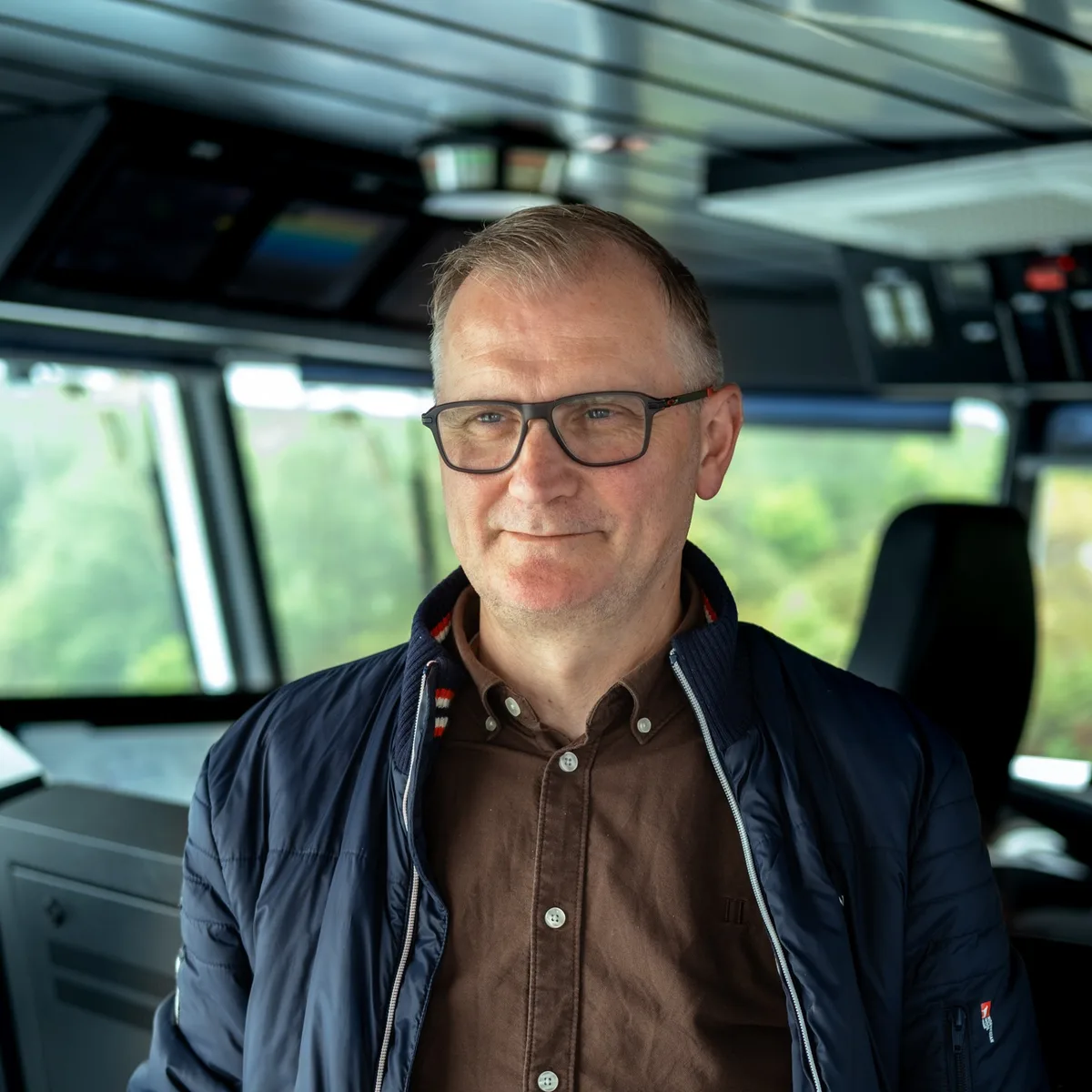
Photo: Per William Lie. Photographer: Mathias Birkeland
He has been an active fisherman since 1992 and a skipper since 2001, and is today skipper and co-owner in Liegruppen — a family-owned company with more than 100 years of history in Norwegian and international fishing. The company operates the three pelagic vessels Libas, Liafjord and Ligrunn II.
After 25 years as skipper, it is still the same thing that keeps him on his toes:
– The best thing about working at sea is the freedom and the excitement. Never a day that is the same.
And if there is one thing that comes up again and again when Per William talks about how they fish, it is technology. Preferably the newest there is.
Technology is part of the toolbox
Libas is an 86-metre combined purse seiner and trawler, and was the world’s first fishing vessel built with a combination of LNG propulsion and battery technology.
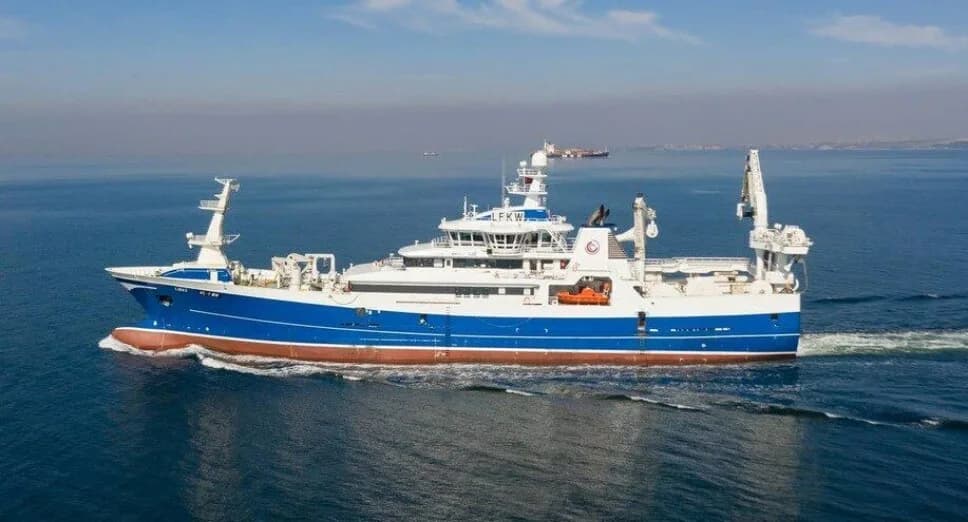
Photo of the vessel Libas. Source: Skipsrevyen
The interest in technology does not stop in the engine room. Onboard they use the latest in sonar and echosounder, and Per William says good access to information is decisive for fishing efficiently.
As he puts it:
– Technology means everything. It is decisive for the efficiency of the fishery.
Catchwise is one part of this toolbox. For Per William it is less about a single feature and more about having the information he needs gathered and available when the decisions have to be made.
– Having the flow of information gathered in one place is enormously important, quite simply.
In fact he describes it as something he would rather not be without:
– If I lost the information from Catchwise when I am planning to go out to the fishing grounds, it is just like losing your phone in everyday life. It is enormously important.
For a skipper who is always trying to stay a step ahead, the goal is the same either way:
– We want to get the fish as fast as possible, with as little bunkers as possible.
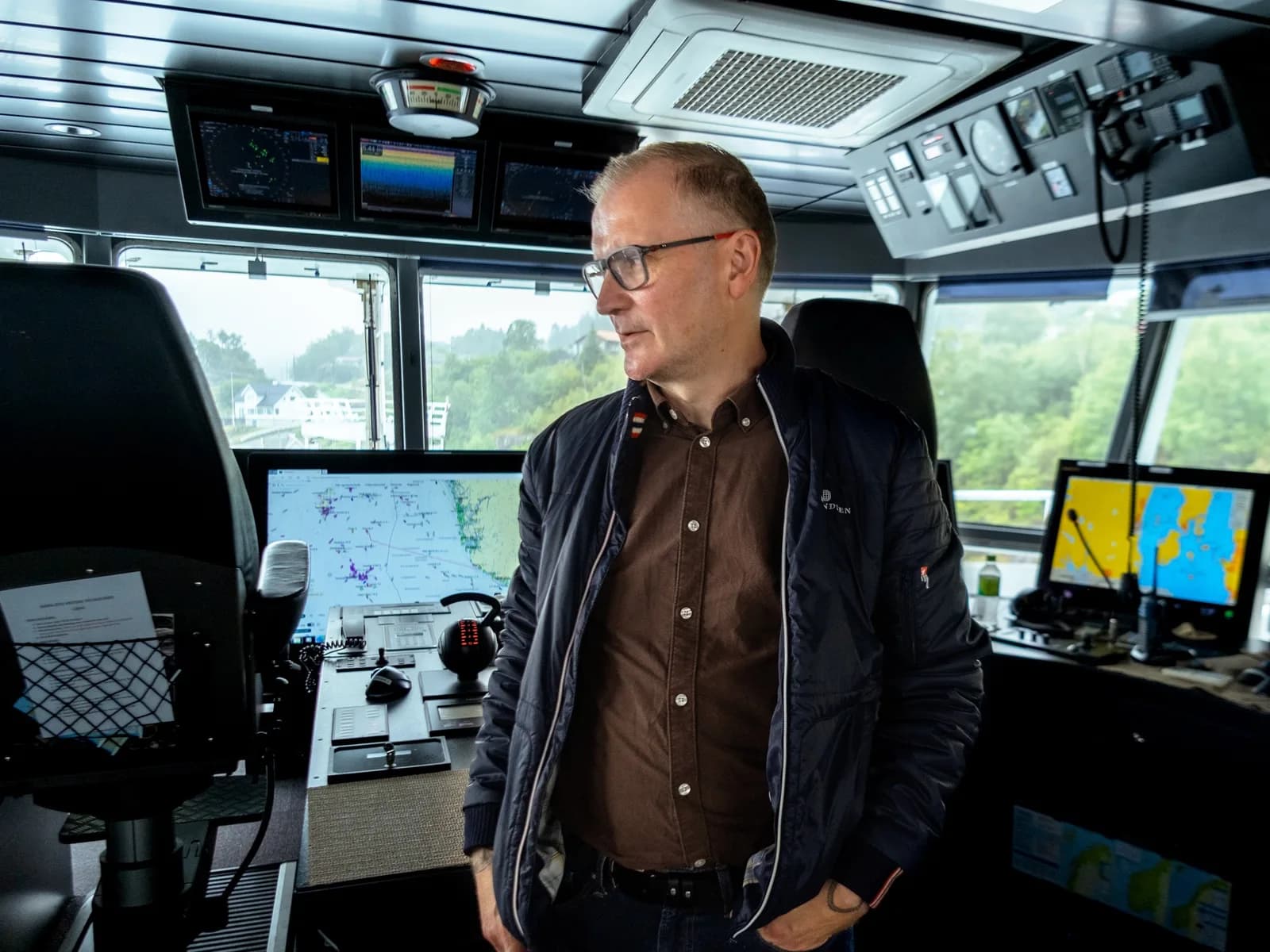
Photo: Per William Lie onboard Libas. Photographer: Mathias Birkeland
Built with skippers onboard
Liegruppen has been part of the Catchwise journey from an early stage. The team has been out on Ligrunn, among other trips, and Per William and the other skippers have given input on what they actually need in a working day.
For Per William, that closeness matters.
– The process has been very good, and the closeness to the developers has been worth its weight in gold for us.
He is also clear that there is no single right way a skipper works. Different skippers look for different things, and that is exactly why he thinks it matters that the people building the technology actually get close to the people who will use it.
– It is absolutely crucial that they stay close to the users.
He especially highlights that the team asks what works, what is missing and what skippers want next.
– That is where Catchwise has been completely outstanding.
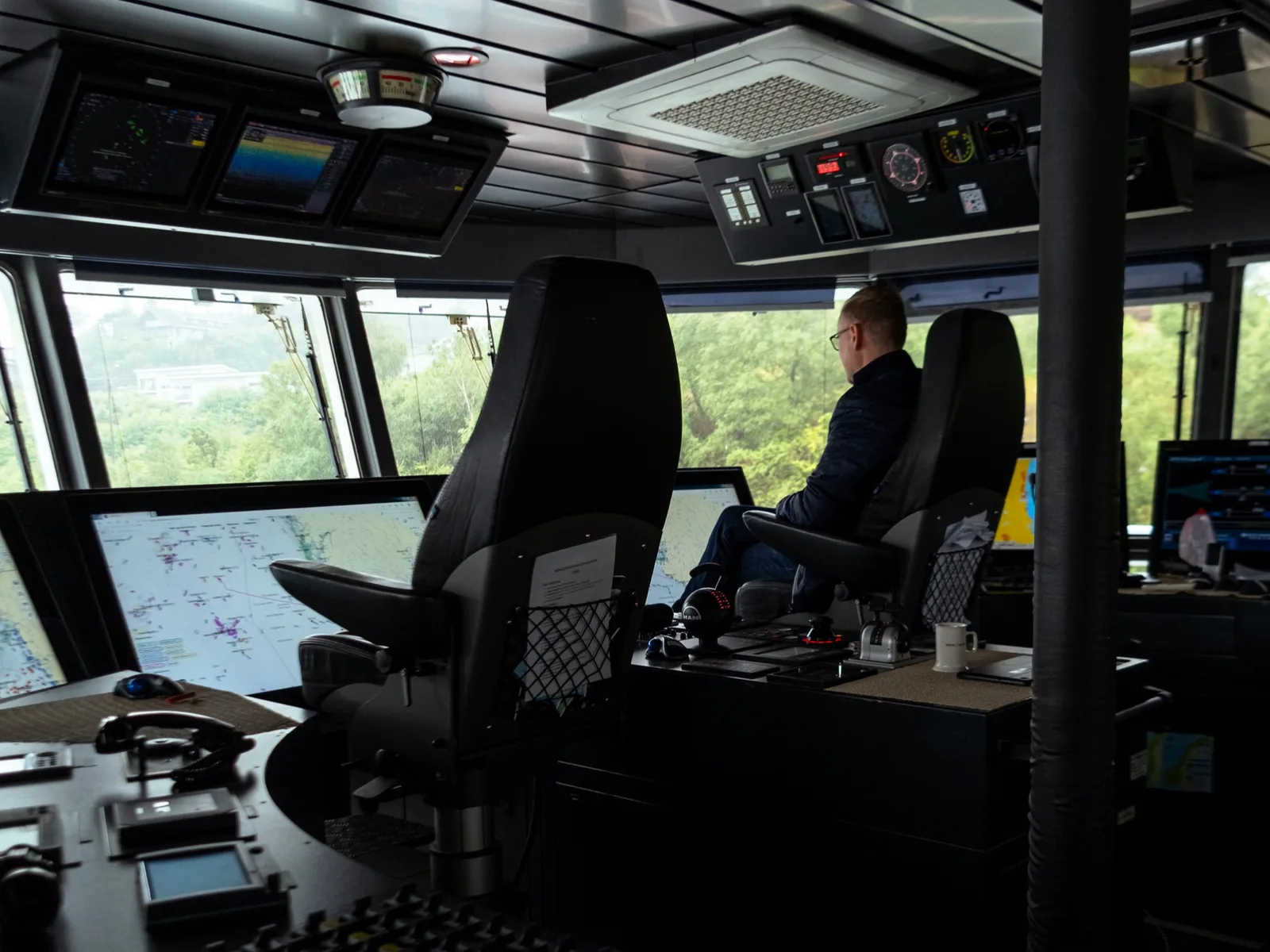
Photo: Per William Lie in the wheelhouse. Photographer: Mathias Birkeland
From gut feeling to more information on the table
A lot has changed since Per William started as skipper. In the early 2000s there was barely internet onboard. Today the boat is online like at home, and skippers send each other pictures from sonar and echosounder almost while the fishing is happening.
– It is a new world.
But one thing has not changed: skippers talk to each other.
In the pelagic fleet many know each other well, and information moves quickly from boat to boat. They share where they have been, what they are seeing and how the fishery is developing.
What is new is how much more information they have to play with.
Per William uses Catchwise to plan, look back at earlier fishing and follow what the rest of the fleet is doing.
– We use Catchwise for planning, checking history, keeping an eye on the other boats.
The history is especially useful before a fishery has really got going. If nobody else has been out yet, they can go back and see where the fish stood in previous years.
– When we are about to start the North Sea herring fishery and nobody has been out yet, it is highly relevant. Then we look carefully at where we have been in previous years, and can start searching in one of those places.
Once they are out on the grounds, the focus is often more on the rest of the fleet.
– Say the fishing is poor and everyone is searching. Then we want to know where the others are and what they are doing the whole time.
In other words, it is about having as many good cards as possible before the course is set.
When the history gave them a good lead
A good example is the herring fishery in Vestfjorden. They knew where they wanted to fish, but not quite when the herring would come out of the fjords. Because they were going to trawl, they had to stay outside the 12-mile limit.
To get a better picture of how the fishery had developed in previous years, Per William went back in Catchwise and studied historical trawl hauls and purse-seine shots.
– I sat there studying the history. With every trawl haul, every purse-seine shot, looking at when they had come out.
Based on the history he picked a time for when they should go out and start searching.
– And then the herring came straight out.
Per William laughs when he tells it:
– This is a true story from real life, as we say.
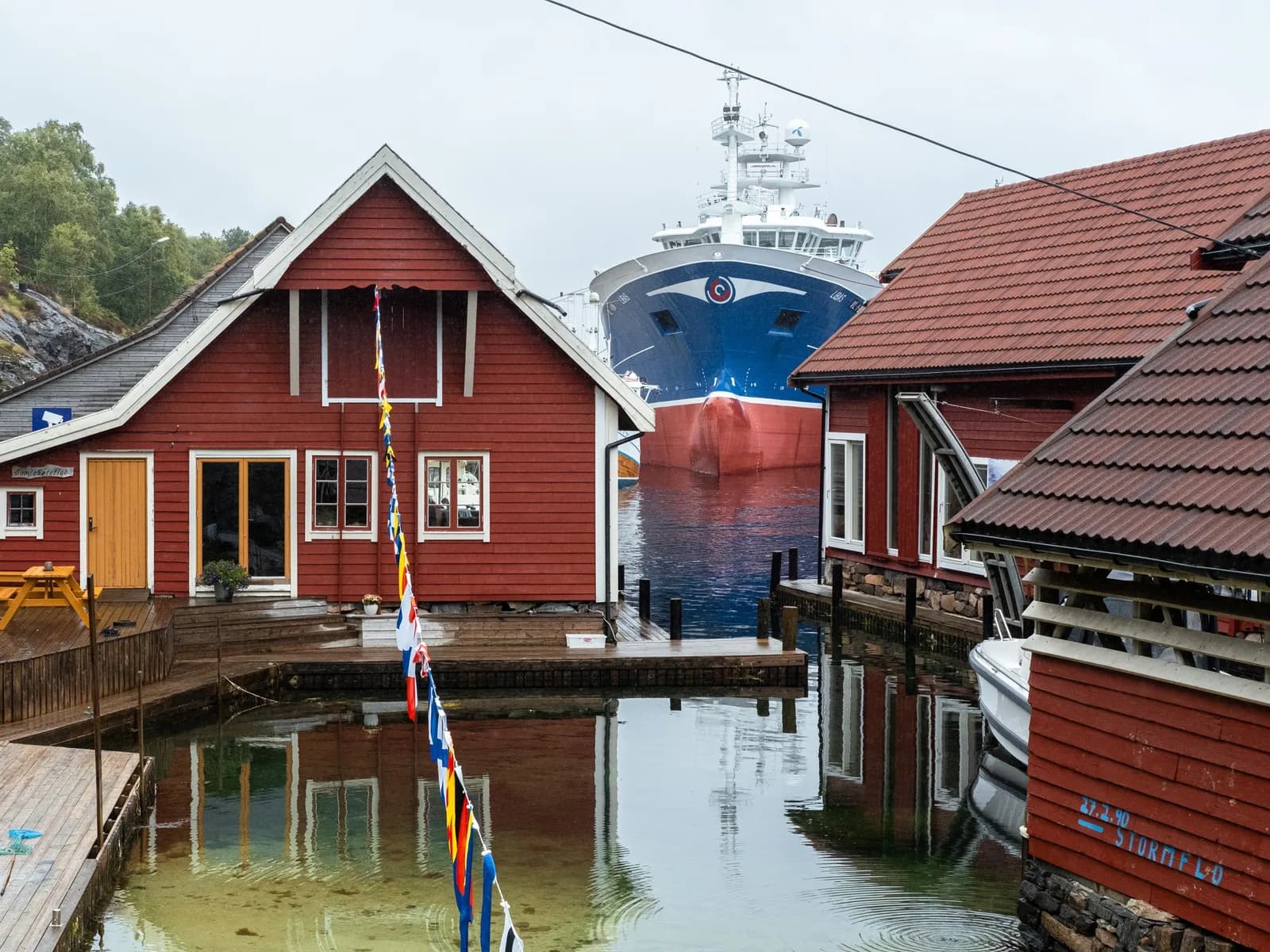
Photo: Libas alongside at Sotra. Photographer: Mathias Birkeland
The fishing does not stop when the boat comes alongside
Per William is not the type to switch off just because Libas is alongside. He follows the fishery through the whole year, including from the living room at home. His eyes are already on what comes next. What are the other boats doing? Where is it starting to move? What could be the next fishery?
After 25 years as skipper, a lot of the experience naturally sits in his bones. At the same time, Per William is still just as curious about new technology and new ways of working smarter.
Thank you for the visit, Per William. We look forward to continuing to develop Catchwise together with the skippers — and helping you find the fish faster and use less bunkers.
Try Catchwise
Try Catchwise on your next trip. Click the button below to get started. No credit card required.